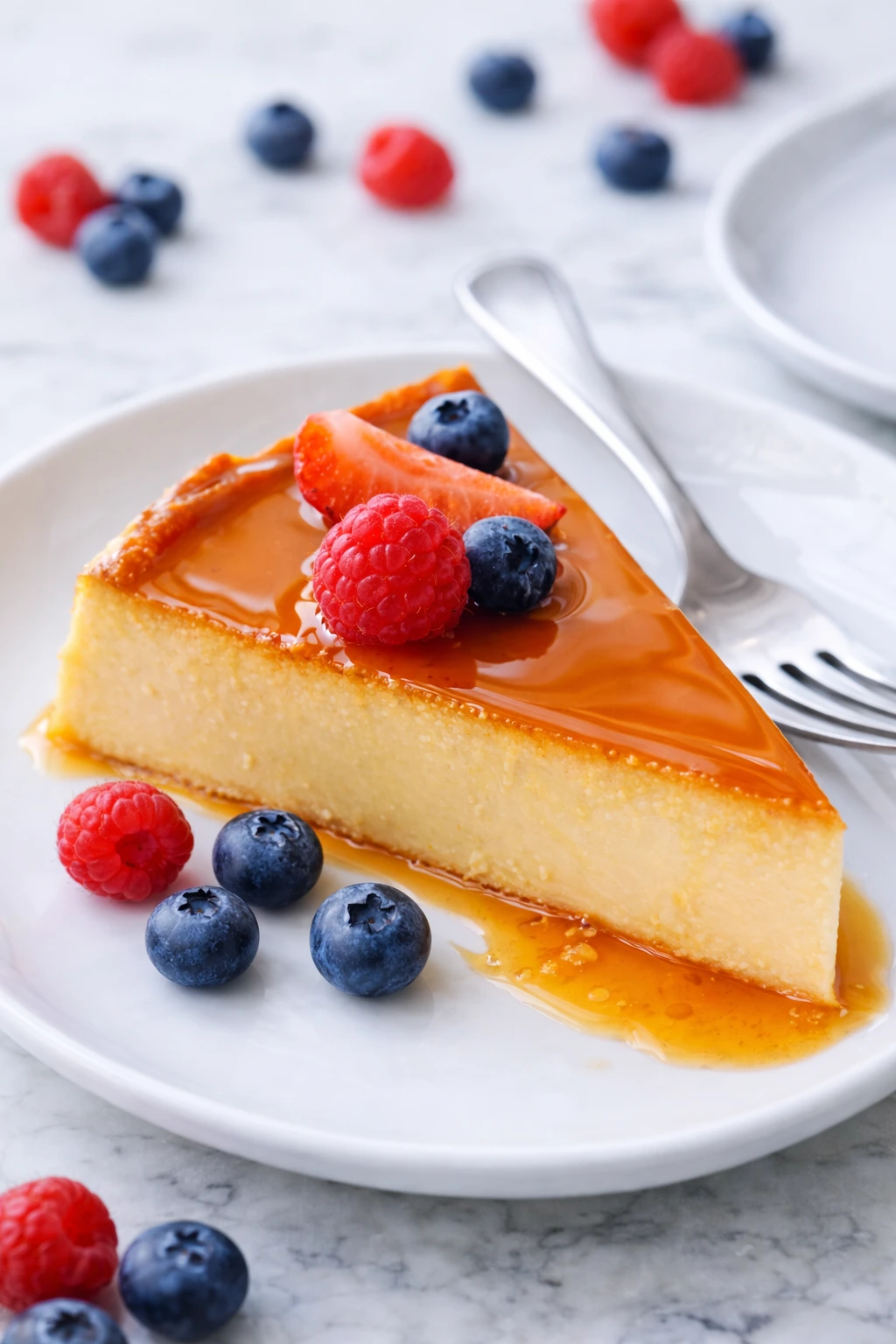
Mastering Homemade Flan: Silky Custard & Perfect Caramel Tips
There are few desserts as universally adored and inherently luxurious as flan. This classic baked custard, adorned with a glistening, rich caramel sauce, has captivated palates across Latin America and Spain for centuries. While its elegant presentation might suggest a complex culinary endeavor, creating an ultra-creamy, picture-perfect flan at home is surprisingly accessible. Forget any intimidation; with the right techniques and a few expert tips, you can transform simple ingredients into a show-stopping dessert that will undoubtedly wow at any dinner party or holiday gathering. This comprehensive guide will walk you through every step of this delightful
authentic flan recipe, ensuring your homemade flan is nothing short of perfection.
The Essence of Flan: A Timeless Culinary Classic
At its heart, flan is a sweet Spanish custard known also by its French cousin, Crème Caramel. It's a dessert that speaks of comfort, tradition, and subtle indulgence. The magic lies in its velvety smooth texture, achieved through a careful balance of eggs and dairy, gently cooked in a water bath, and crowned with a deeply flavorful, amber caramel.
While the core concept remains consistent, flan boasts wonderful regional variations. Mexican-style flan, for instance, often utilizes whole eggs and a generous hint of vanilla extract, contributing to a rich, firm texture. In contrast, traditional Spanish flan frequently relies solely on egg yolks, resulting in an even silkier, more delicate custard. Our approach today leans towards the crowd-pleasing richness of the Mexican style, incorporating whole eggs for a robust yet creamy consistency that's simply irresistible. For a deeper dive into these delightful distinctions, explore our article on
Mexican vs. Spanish Flan: Unlocking the Secret to Ultra-Creamy Custard.
The beauty of a great flan recipe is its simplicity, often requiring just five core ingredients. This makes it an ideal dessert for both seasoned bakers and eager novices. Plus, it's a fantastic make-ahead option, as it’s best when chilled for at least several hours, or even a day or two in advance – perfect for stress-free entertaining.
Crafting the Silky Custard: Ingredients & Technique Unleashed
The soul of your homemade flan is, without a doubt, its silky-smooth custard. Achieving that perfect, melt-in-your-mouth texture comes down to selecting the right ingredients and employing precise techniques.
The Dream Team of Dairy and Eggs
- Sweetened Condensed Milk: This is your secret weapon for incredible sweetness and a foundational creaminess. Its thick consistency and pre-sweetened nature eliminate the need for extra sugar in the custard itself, ensuring a perfectly balanced flavor profile.
- Evaporated Milk: Crucial for the signature silky texture, evaporated milk provides richness without excessive thickness. Do not substitute this with regular milk; its unique processing contributes significantly to the flan's structure and mouthfeel.
- Whole Eggs: Our chosen style for a robust and satisfying custard. Whole eggs provide both structure and richness. Ensure your eggs are at room temperature for easier blending and a smoother, more homogenous custard mixture.
- Vanilla Extract: A splash of high-quality vanilla extract elevates the flavor, adding warmth and depth that complements the sweetness of the caramel.
- Granulated Sugar: Exclusively for the caramel. Stick to white granulated sugar for the best caramelization results – avoid brown sugars, as their molasses content can interfere with the pristine caramel flavor and appearance.
Building the Perfect Custard Base
Once your ingredients are ready, the custard itself comes together with remarkable ease:
- Combine & Blend: In a blender, combine the sweetened condensed milk, evaporated milk, whole eggs, and vanilla extract. Blend until the mixture is completely smooth and uniform. This step is quick but essential for ensuring all ingredients are fully incorporated.
- Strain for Silkiness: For the absolute silkiest flan, pour the custard mixture through a fine-mesh sieve directly into your prepared flan pan (which will already contain the caramel). This removes any potential egg chalazae (the white stringy bits) or small air bubbles, guaranteeing an impeccably smooth finish. This extra step, though seemingly small, makes a significant difference in the final texture.
The gentle baking of the custard in a *bain-marie* (water bath) is paramount. This technique provides even, indirect heat, preventing the edges of the flan from overcooking and becoming rubbery before the center sets. It’s the secret to that consistent, delicate texture from edge to edge.
Mastering the Caramel: From Intimidation to Mirror Glaze
The caramel sauce is more than just a topping; it's an integral part of the flan experience – a glistening, flavorful coat that perfectly balances the creamy custard. While the idea of making caramel can seem daunting, our "wet caramel" method simplifies the process, making it foolproof even for beginners.
The Wet Caramel Advantage
With the wet caramel method, you combine sugar and a small amount of water in a saucepan. The water helps the sugar dissolve evenly, reducing the risk of crystallization and making the whole process more forgiving.
Crucial Caramel Tips for Success
- Safety First: Caramel gets *extremely* hot. Work carefully and avoid direct contact with the molten sugar. Have everything ready – your pan and a heat-safe mitt – before you begin.
- Do NOT Stir: This is perhaps the most important rule. Stirring the sugar while it's melting can cause it to crystallize, resulting in a grainy, clumpy caramel. Instead, gently swirl the pan occasionally to distribute the heat and encourage even melting.
- Patience and Observation: Cook the sugar and water over medium-low heat. Initially, the sugar will dissolve and bubble. Continue to cook until the mixture turns a beautiful, rich amber color. This usually takes about 5-8 minutes. The moment it reaches this golden hue, remove it from the heat – it can burn quickly!
- Coat the Pan Swiftly: Immediately pour the hot caramel into your chosen flan mold (a flanera, a 9-inch round cake pan, or individual ramekins work beautifully). Carefully tilt and swirl the pan to ensure the bottom and a portion of the sides are evenly coated with the gleaming caramel. Work quickly, as caramel sets fast as it cools.
Baking, Chilling, and the Grand Reveal
With your custard mixture poured over the set caramel in its pan, it's time for the gentle cooking process.
Baking to Perfection
Place your flan pan inside a larger roasting pan. Carefully pour hot water into the roasting pan, creating your water bath, ensuring the water level comes at least halfway up the sides of the flan pan. Bake in a preheated oven (usually around 350°F or 175°C) until the flan is set but still has a slight jiggle in the center when gently shaken. This gentle jiggle indicates a perfectly cooked, creamy custard. Overbaking will result in a rubbery texture.
The Essential Chill
Once baked, remove the flan from the water bath and let it cool completely on a wire rack at room temperature. Then, transfer it to the refrigerator and chill for a minimum of 4 hours, or ideally overnight. Chilling is critical for the flan to fully set, for the flavors to meld, and for the caramel to liquify into a luscious sauce. This is why flan is an ideal make-ahead dessert!
The Dramatic Unveiling
This is the moment of truth, and often the most exciting part!
- Loosen the Edges: Run a thin, small knife or an offset spatula carefully around the inner edge of the flan pan to gently loosen the custard.
- The Inversion: Place a large serving plate (one with a slight lip is ideal to catch the caramel sauce) upside down over the flan pan. In one swift, confident motion, invert the flan onto the plate.
- The Reveal: If all has gone according to plan, the flan will slide out beautifully, fully intact, and bathed in a smooth, glistening layer of caramel sauce that cascades down its sides. It’s a truly show-stopping moment!
Serve your magnificent homemade flan chilled, perhaps adorned with fresh berries or a dollop of whipped cream, and always paired wonderfully with a cup of coffee or milk. It also travels remarkably well in a cooler, making it a fantastic potluck or picnic dessert.
Conclusion
Making homemade flan is a rewarding culinary journey that culminates in one of the most elegant and satisfying desserts imaginable. From mastering the simple yet crucial techniques of the wet caramel to understanding the delicate art of custard preparation and baking, you now have all the knowledge to create an unforgettable flan. This
flan recipe isn't just about following instructions; it's about embracing the joy of transforming basic ingredients into a luxurious, silky-smooth masterpiece that will earn you rave reviews. So go ahead, don your apron, and prepare to delight your senses with the unparalleled taste of truly masterful homemade flan.