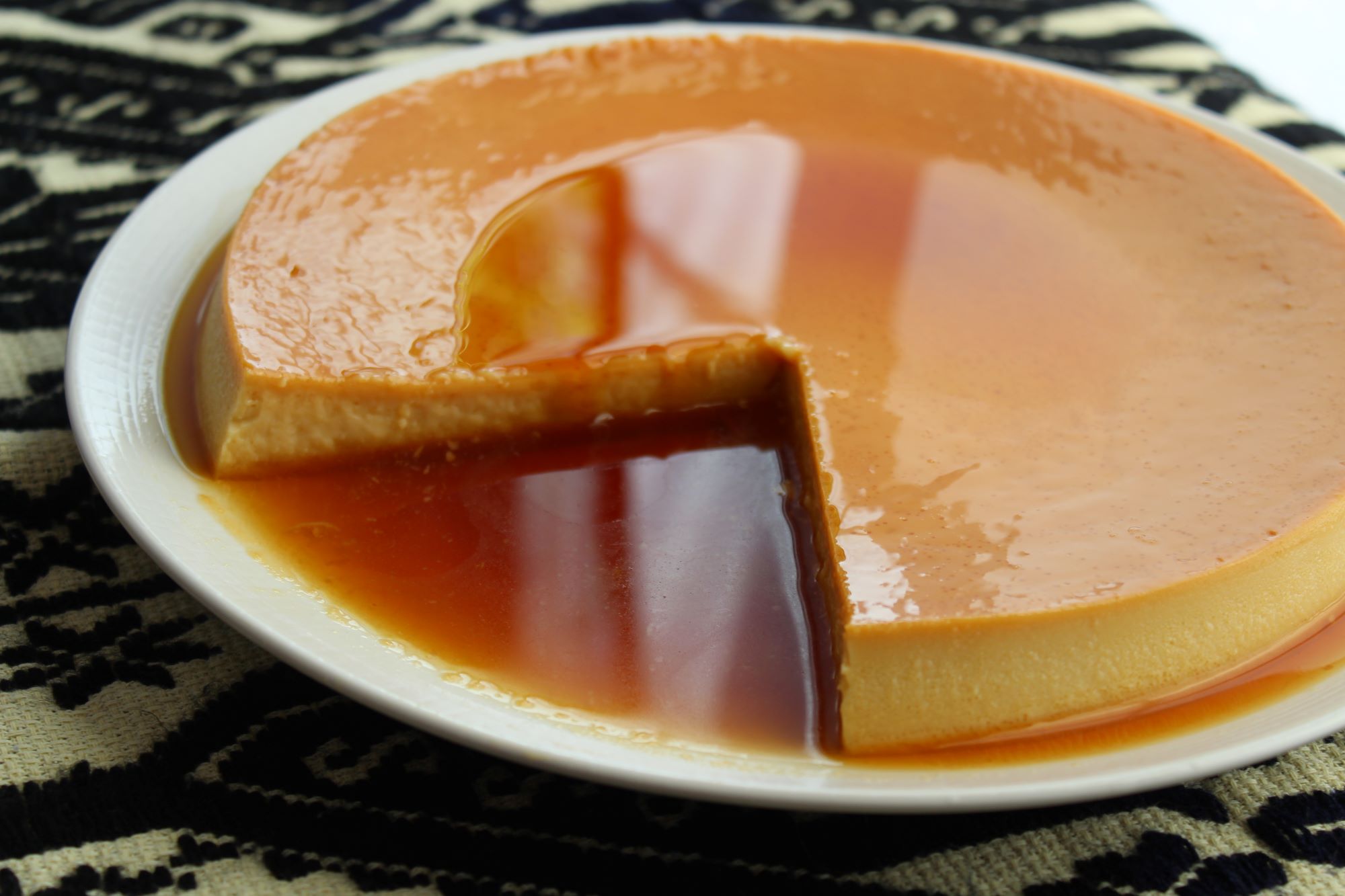
Mexican vs. Spanish Flan: Unlocking the Secret to Ultra-Creamy Custard
There are few desserts as universally adored and inherently luxurious as flan. This classic baked custard, crowned with a glistening layer of rich caramel, transcends borders and cultures, appearing as a beloved staple from bustling Spanish tapas bars to vibrant Mexican fiestas. For many, a slice of perfectly crafted flan isn't just a dessert; it's an experience – a symphony of silky texture and deep, sweet flavor that simply melts in your mouth. If you've ever dreamt of recreating that ultra-creamy perfection at home, you're in the right place. We're about to delve into the nuanced world of this exquisite treat, exploring the subtle yet significant differences between Mexican and Spanish styles, and sharing the secrets to achieving an unforgettable, melt-in-your-mouth flan recipe that will impress every time.
While the core concept of a sweetened egg custard cooked in a water bath remains constant, the magic truly lies in the details. From the choice of eggs to the dairy blend and even a hint of vanilla, each element contributes to the final texture and taste. Let's uncover how these seemingly minor variations can lead to distinct and equally delicious outcomes.
The Culinary Divide: Mexican vs. Spanish Flan
At first glance, Mexican and Spanish flan might appear nearly identical, but their traditional approaches reveal fascinating differences that impact their characteristic textures and flavor profiles. Understanding these distinctions is key to mastering your preferred flan recipe.
- Egg Composition: This is arguably the most significant differentiator.
- Spanish-Style Flan: Traditionally leans on egg yolks only. This results in a remarkably rich, dense, and deeply golden custard with an incredibly smooth, almost unctuous mouthfeel. The higher fat content from the yolks contributes to this luxurious richness.
- Mexican-Style Flan: Often utilizes whole eggs. Incorporating egg whites provides a slightly lighter, yet still wonderfully creamy texture. While still decadent, it can feel a touch less heavy than its yolk-only counterpart, offering a broader appeal.
- Dairy & Sweetness: Both styles typically rely on a blend of dairy for their signature creaminess. Sweetened condensed milk is a staple, providing both sweetness and a thick, rich base. Evaporated milk is also crucial, lending its unique creamy texture without adding excessive fat, making it an indispensable component for that silky finish. Many authentic flan recipe variations stress not to substitute these specific dairy products due to their unique contributions to texture and flavor.
- Vanilla & Flavorings:
- Mexican-Style Flan: Vanilla extract is a common and beloved addition, imparting a warm, aromatic depth that complements the sweet custard beautifully.
- Spanish-Style Flan: Sometimes omits vanilla, allowing the pure, unadulterated flavor of the eggs, dairy, and caramel to shine through. However, modern interpretations often include it.
While one might gravitate towards a specific style, the beauty of a homemade flan recipe is the freedom to experiment. Whether you prefer the profound richness of a yolk-heavy Spanish flan or the balanced creaminess of a Mexican version, the foundational techniques remain the same for achieving that desired silky texture.
The Quest for Ultra-Creamy Custard: Essential Techniques & Ingredients
Regardless of whether you choose to use whole eggs or just yolks, the path to an ultra-creamy flan hinges on a few critical components and techniques. These are the non-negotiables for any successful flan recipe:
- The Dairy Dream Team: Sweetened Condensed Milk & Evaporated Milk: These two powerhouse ingredients are the secret weapon for the perfect flan. Sweetened condensed milk delivers the ideal level of sweetness and an incomparable richness. Evaporated milk, with its slightly toasted flavor and concentrated nature, is vital for achieving that unique, silky-smooth texture that defines flan. Substituting these with regular milk or cream simply won't yield the same results; they are key to the custard's characteristic body and mouthfeel.
- Eggs: The Binding Agent & Texture Maestro: As discussed, the ratio of whole eggs to yolks significantly influences the final texture. For a truly ultra-creamy flan, ensure your eggs are well-beaten but not over-aerated. Whisk them gently until just combined with the dairy mixture, avoiding excessive foaming, which can lead to a less uniform texture.
- The Gentle Caress of a Water Bath (Bain-Marie): This is perhaps the single most crucial technique for achieving a perfectly smooth, evenly cooked custard without cracks or a rubbery texture. Baking the flan mold in a larger pan filled with hot water creates a moist, gentle cooking environment. The water bath ensures the custard cooks slowly and uniformly, preventing the edges from overcooking before the center sets. This slow, even heat is the ultimate safeguard against curdling and results in that luxurious, melt-in-your-mouth consistency.
- Precision Baking & Doneness: Knowing when your flan is ready is vital. Bake until the edges are just set, but the center still has a slight jiggle. Overbaking is the enemy of creaminess, leading to a firmer, sometimes crumbly texture. A good rule of thumb is to gently tap the side of the pan; if the flan mostly sets but a small area in the middle still trembles, it's usually done. A knife inserted near the edge should come out clean.
- Cooling & Chilling: Patience is a virtue when it comes to flan. Allow it to cool completely at room temperature before refrigerating for at least 4-6 hours, or ideally overnight. This chilling period not only allows the custard to fully set and firm up but also deepens its flavors and ensures the caramel sauce adheres beautifully when inverted.
The Glistening Crown: Mastering the Caramel Sauce
The lustrous, golden caramel sauce is not merely a topping; it's an integral part of the flan experience, offering a delightful counterpoint of bittersweet notes to the creamy custard. While making caramel can seem daunting, a "wet caramel" method simplifies the process considerably:
- Sugar + Water: Combine granulated sugar with a small amount of water in a heavy-bottomed saucepan. This helps the sugar dissolve evenly and reduces the risk of burning.
- No Stirring! This is the golden rule. Stirring can cause the sugar to crystallize, resulting in a grainy, unappealing caramel. Instead, gently swirl the pan occasionally to ensure even cooking.
- Watch for Color: Heat over medium-low heat until the mixture turns a beautiful amber or golden brown. Be vigilant; caramel can go from perfect to burnt in a matter of seconds.
- Extreme Caution: Caramel gets incredibly hot. Work carefully and avoid touching it. Once it reaches the desired color, immediately pour it into your flan mold, tilting the pan to evenly coat the bottom and slightly up the sides. It will harden quickly, forming a glorious, gleaming base for your custard.
This simple yet crucial step elevates any flan recipe, transforming it from a mere custard into a show-stopping dessert.
The Grand Reveal: Unmolding Your Masterpiece
The moment of truth arrives when it's time to unmold your chilled flan. This is often where nerves kick in, but with a few tips, you can achieve that perfect, mirror-finish caramel top:
- Loosen the Edges: Run a thin, sharp knife or an offset spatula carefully around the inner edge of the flan mold. This helps release the vacuum and prevents the flan from sticking. If your flan has been refrigerated, letting it sit at room temperature for 10-15 minutes can also aid in release.
- The Confident Flip: Place a serving plate (with a slight lip to catch any excess caramel) upside down over the flan mold. In one swift, confident motion, invert the flan onto the plate. Don't hesitate!
- The Drip: Give it a moment. The flan should slowly release from the mold, allowing the liquid caramel to cascade beautifully over the silky custard. If it doesn't release immediately, a gentle shake or a brief dip of the bottom of the mold in warm water (being careful not to get water into the flan itself) can help.
Once unmolded, your flan is ready to be admired and devoured. Serve it as is, or dress it up with fresh berries, a dollop of whipped cream, or a sprinkle of toasted nuts for an extra touch of elegance. It travels well in a cooler, making it an ideal make-ahead dessert for dinner parties, holidays, or any special gathering. In fact, flan is often best made a day or two in advance, allowing the flavors to meld and the texture to fully set.
Your Journey to the Perfect Flan Recipe
Whether you're a seasoned baker or a curious novice, creating homemade flan is a truly rewarding experience. The satisfaction of slicing into a perfectly smooth, creamy custard, glistening with homemade caramel, is unparalleled. While the differences between Mexican and Spanish flan offer delightful variations, the core principles of excellent dairy, precise cooking, and careful handling are universal keys to success. Embrace the process, pay attention to the details, and don't be afraid to experiment to find your ultimate flan recipe.
From its humble ingredients to its luxurious presentation, flan remains a testament to simple elegance. It’s a dessert that speaks of comfort, celebration, and culinary artistry. So, roll up your sleeves, gather your ingredients, and prepare to unlock the secret to an ultra-creamy custard that will undoubtedly become a forever-favorite in your kitchen.
